


| PARTNER CONTENT |
Through Q2 2025, China’s consumer landscape continued to be shaped by speed, seamless integration, and emotional authenticity. The latest China Online Consumer Brand Index (CBI) from Peking University, with support from Alibaba’s Taobao and Tmall Group reveals a continued upward trend in consumer engagement with branded products. However seasonal demand and boosts due to marketing interventions tell only part of the story. The surge in growth over the past few months is powered by brands addressing consumer priorities with innovative solutions.
Three major trends have emerged in Q2 that have revolutionised brand strategies across China.
First, the explosive growth of quick commerce which has driven on-demand consumption by compressing the traditional purchase journey from days to hours. Moving past food and apparel, the remit of quick commerce has now expanded to categories such as cosmetics and electronic products.
Secondly, cross-platform loyalty programs have created synergies that allow brands to consider the entirety of a consumer’s digital footprint.
Finally, the sustained rise of emotional commerce has demonstrated a desire among younger consumers to rebel against conventional standards, express themselves unapologetically, and seek recognition. Success in China’s new era of competition thus requires brands to be simultaneously agile, authentic, and culturally relevant.
The examples below demonstrate how brands within the Alibaba ecosystem navigate this evolving consumer landscape.
How quick commerce drives on-demand consumption
Quick commerce and e-commerce are now more intricately linked than ever before, with the promise of delivering an increasingly expansive range of products to consumers’ doorsteps within hours. Combining the convenience of online shopping with the immediacy of food delivery services, it reflects a new baseline where merchants and brands must provide instant gratification.
Launched in April, Taobao Instant Commerce has rapidly established itself as a major quick commerce player. The combination of Alibaba’s food delivery arm Ele.me's mature infrastructure and Taobao's vast merchant and consumer network has resulted in explosive growth. Alibaba has seen a 200% surge in the monthly active consumers of its quick commerce business in just four months. Daily on-demand orders reached 80 million, with a peak volume of 120 million in August.

For brands across categories, this offers an extra source of traffic and a previously untapped business opportunity. The number of new merchants joining Alibaba’s quick commerce business doubled in July from June, including over 12,000 non-restaurant stores. For example, Moutai a brand of baijiu integrated over 6,500 offline stores nationwide into Taobao’s delivery network. Lifestyle goods retailer Miniso connected 4,500 stores to the platform, generating over 20,000 daily orders with nearly 80% from new users.
Quick commerce is not just a new sales channel for brands in China: it is a strategic imperative. Taobao’s extensive network connects the offline footprint of merchants and brands to the platform's digital user base to capture consumers at critical intent-to-purchase moments.
Unlocking deeper engagement with cross-platform loyalty programs
In China’s hyper-competitive market, both integrated e-commerce platforms and individual brands need sustained engagement, beyond single transactions. Taobao’s unified, cross-platform loyalty program launched in early August is helping brands move towards this goal.

The upgraded loyalty program unifies rewards across Taobao and Tmall, Ele.me, and Fliggy, spanning e-commerce, food delivery, and travel, with six membership tiers. Users are tracked based on their activity and purchase history across platforms, and can earn points by shopping, ordering food, booking travel, and hailing rides. Each interaction unlocks additional rewards and deeper platform integration.
The shift from channel-specific marketing to lifestyle-integrated engagement creates unprecedented opportunities for brands to connect with consumers. It takes an additional step to expand touchpoints and visibility across the ecosystem, engaging consumers beyond the brands’ current reach. Meanwhile, the tiered membership structure amplifies engagement with escalating privileges that incentivise repeated interactions and spending, transforming occasional buyers into loyal advocates.
Tapping into cultural resonance with emotional commerce
Building on trends identified in Alibaba’s inaugural consumer index, the data from Q2 reveals that particularly among China’s millennial and Gen Z consumers, purchase decisions are increasingly influenced by emotional desire and an expression of self-identity.
Taobao’s ‘Era of Uglies Has Arrived’ art exhibition held in Hangzhou this summer, tapped into the psyche of China’s youth—their desire for originality, creativity, and unconventional aesthetic standards. And above all, fun.
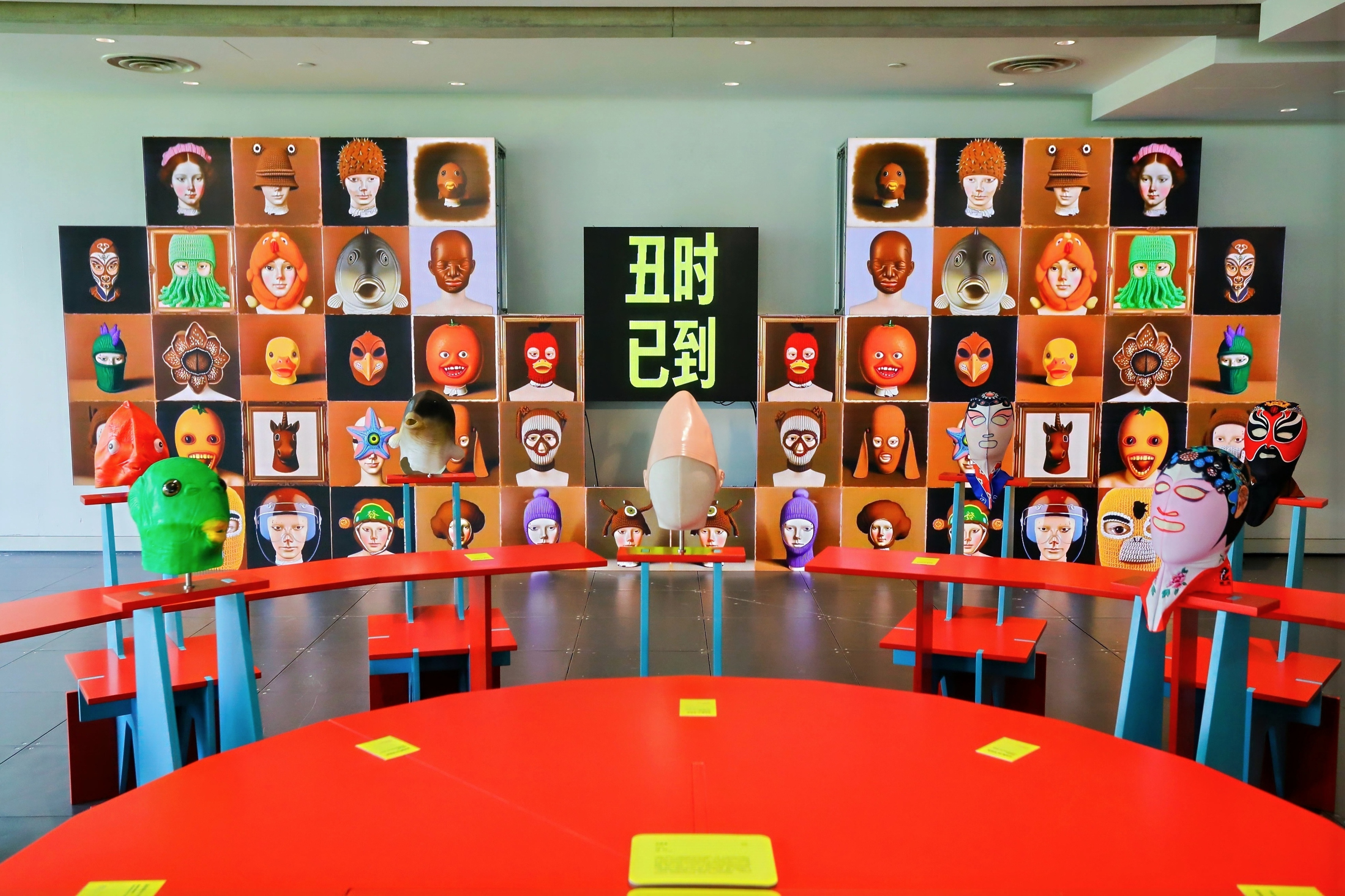
The exhibition brought Taobao’s online ‘Uglies Award’ into a physical space, displaying a variety of goods from plush animal sculptures to frog-shaped tableware—items that made up for their apparent lack of functionality by being uniquely entertaining and weird. The products generated over RMB 100 million in sales. The exhibition underscored how tapping into cultural significance can be a path to commercial success for small businesses.
This phenomenon reflects a broader cultural shift in China, where "weird" has become desirable and unapologetic self-expression challenges conventional standards. As the boundaries between art, commerce, and life continue to blur, brands need to craft compelling stories and strategies that speak to consumers’ emotional needs.
By staying culturally relevant, agile, and broadening the traditional notions of customer loyalty, brands will not just garner sales but also accolades from an increasingly discerning and hard to please consumer.

.jpg&h=334&w=500&q=100&v=20250320&c=1)

.jpg&h=334&w=500&q=100&v=20250320&c=1)


